
colored-kaust-logo-for-digital-left-aligned2

Integrated Reef Fisheries Lab Building collaborative data-driven solutions to enhance the sustainability of reef fisheries and aquatic food systems now and into the future.

Research

At the Integrated Reef Fisheries Laboratory at KAUST, we harness data science, interdisciplinary collaboration and diverse sources of knowledge to address pressing challenges facing aquatic socio-ecological systems. We bridge marine ecology, fisheries science, nutrition, economics, and statistical and ecological modelling to understand environmental change and its human dimensions, anticipate its consequences, and develop innovative approaches to sustainably manage our oceans and the resources they provide—supporting food security, human health and the livelihoods of communities that depend on them.

Our research spans three interconnected themes: understanding how reef ecosystems function and change, and what this means for fisheries sustainability and resilience; investigating how aquatic foods can contribute to healthier diets and address nutrition and public health challenges, now and in the future; and integrating diverse data, knowledge sources and analytical approaches to understand complex socio-ecological systems, improve predictions and inform decisions.

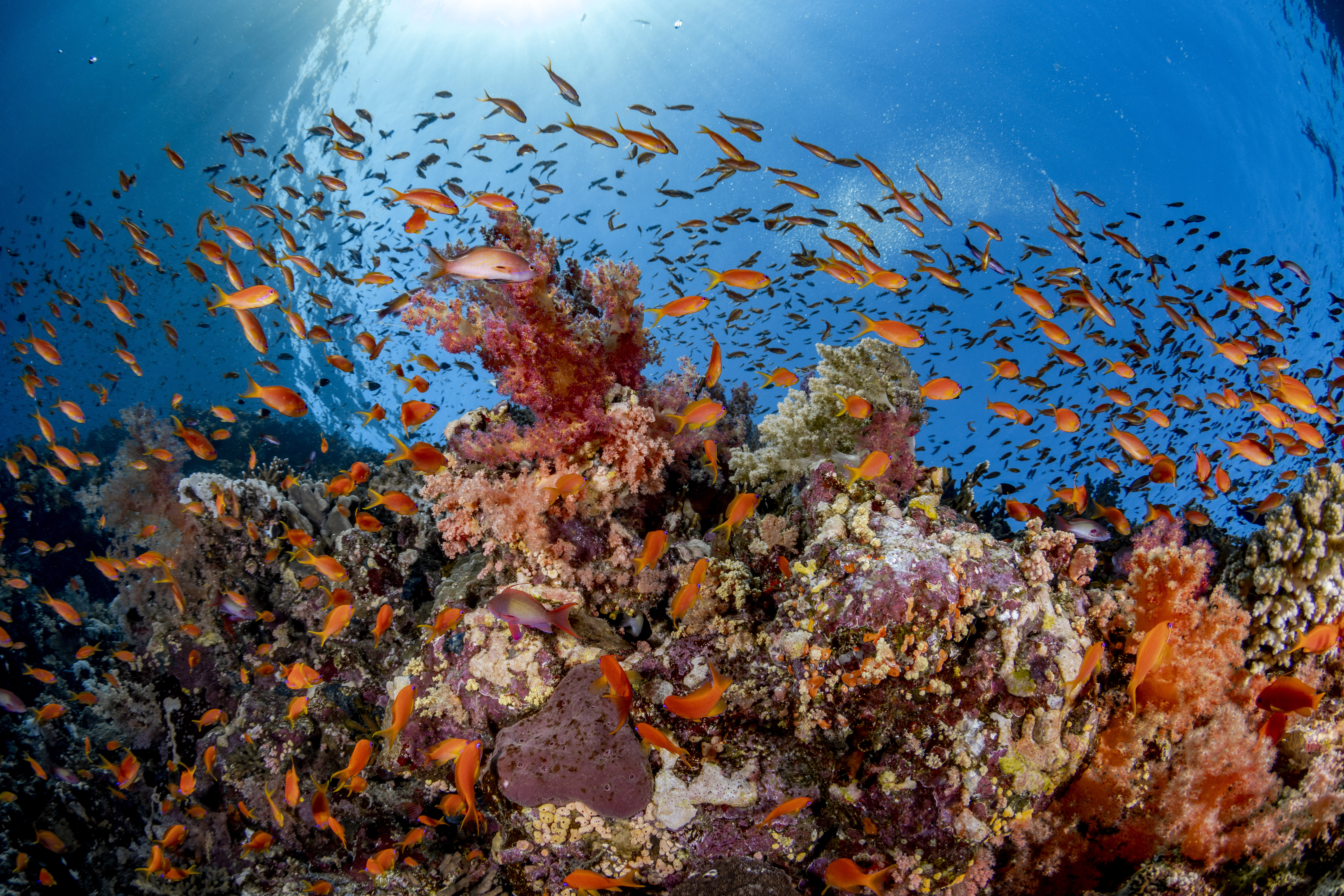
Reef ecosystem
Theme 01

Ecosystem Resilience & Fisheries Sustainability

How can we enhance the sustainability and resilience of reef ecosystems and their fisheries in a changing world?

We investigate how reef ecosystems and the people who depend on them interact, how these systems change, and what drives their sustainability and resilience. We develop context-specific fisheries assessment and management approaches that account for multispecies complexity, environmental change and competing ecological and societal objectives. By evaluating fisheries across multiple dimensions — including sustainable yields, nutrient supply and economic returns — we identify opportunities to maximise societal benefits while safeguarding marine ecosystems, and examine how pressures such as fishing, climate change and trade shape these outcomes.

Example projects

  • Developing climate-resilient safe operating spaces for multispecies coral reef fisheries.
  • Assessing the sustainability and food security implications of global reef fish trade.
  • Developing multispecies reference points for data-poor invertebrate fisheries.
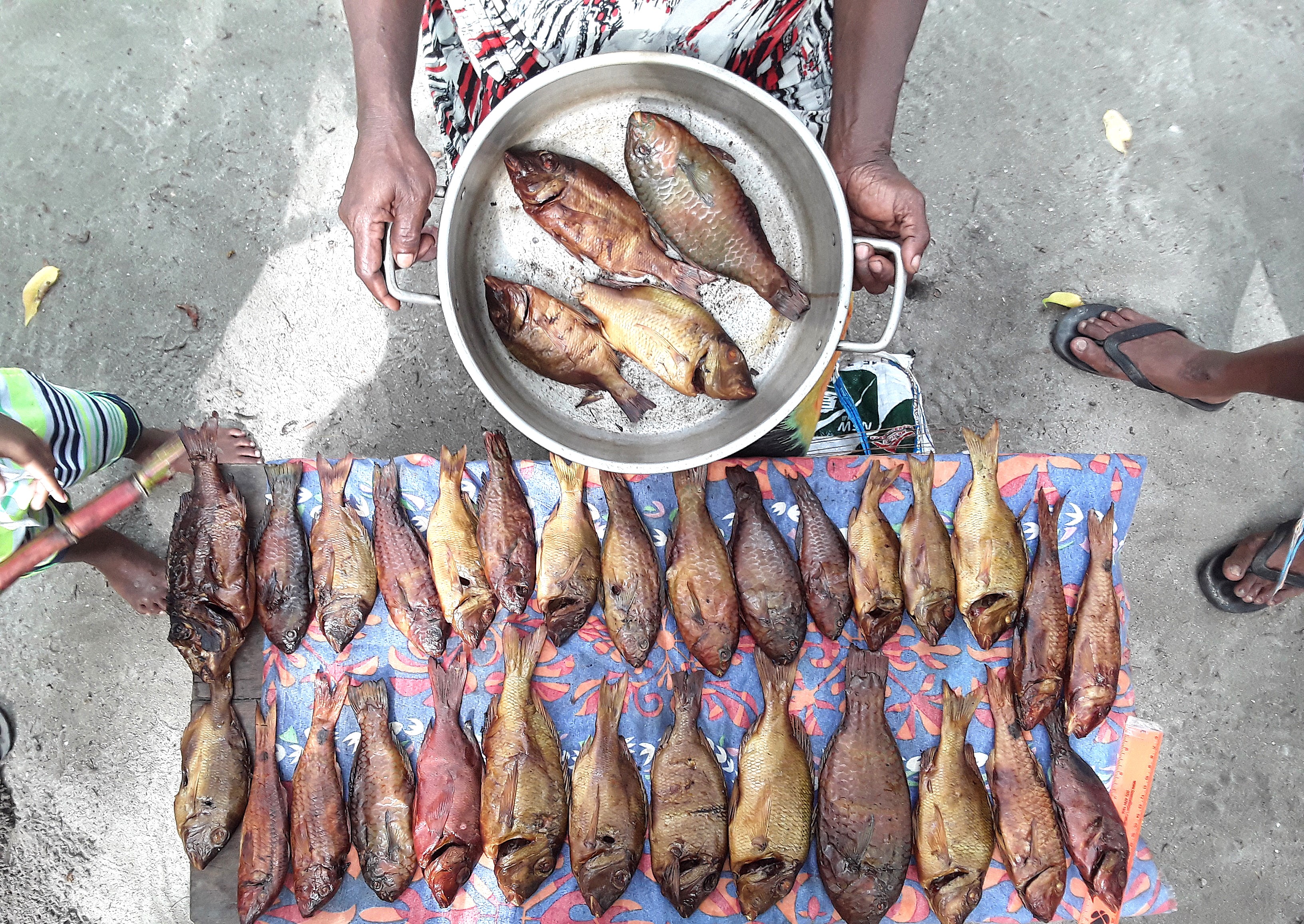
Aquatic foods
Theme 02

Aquatic Foods & Nutrition

How can aquatic foods support healthier people and a healthier planet, now and in the future?

Aquatic foods provide essential nutrients, but their nutritional value varies across species, environments and production systems. We investigate what determines their nutrient composition, how it changes over time, and how aquatic food production, trade and consumption influence nutrient availability and dietary adequacy. Through an aquatic food systems and planetary health lens, we connect ecosystems and food supply chains with dietary patterns and human health to identify opportunities to harness aquatic foods sustainably to address micronutrient deficiencies, improve diet quality and tackle public health challenges associated with both undernutrition and overnutrition, including obesity and hypertension.

Example projects

  • Assessing spatial and temporal variation in the nutritional composition of aquatic foods.
  • Linking global dietary transitions and aquatic food consumption to nutrient adequacy and human health.
Socio-ecological modelling
Theme 03

Socio-ecological Modelling

How can combining diverse methods and knowledge sources improve our understanding, predictions and decisions?

Aquatic socio-ecological systems are complex, interconnected and often poorly observed. We combine perspectives and methods from ecology, fisheries science, nutrition epidemiology, economics, social science and data science to build a more complete understanding of how these systems function and change. Integrating quantitative and qualitative evidence, spatial analysis, causal inference, ecological and statistical modelling, machine learning and artificial intelligence allows us to connect diverse data sources, uncover drivers of change, account for uncertainty and improve predictive performance. We use these approaches to reconstruct past and present conditions, explore alternative futures and develop tools that support evidence-based management.

Example projects

  • Reconstructing spatial and temporal patterns of environmental conditions and human pressures to understand their effects on marine ecosystems.
  • Developing predictive scenario models and AI-based tools for fisheries monitoring and management.

Regional focus

Research in Saudi Arabia and the broader Red Sea

How can our interdisciplinary research support sustainable and resilient aquatic food systems in the region?

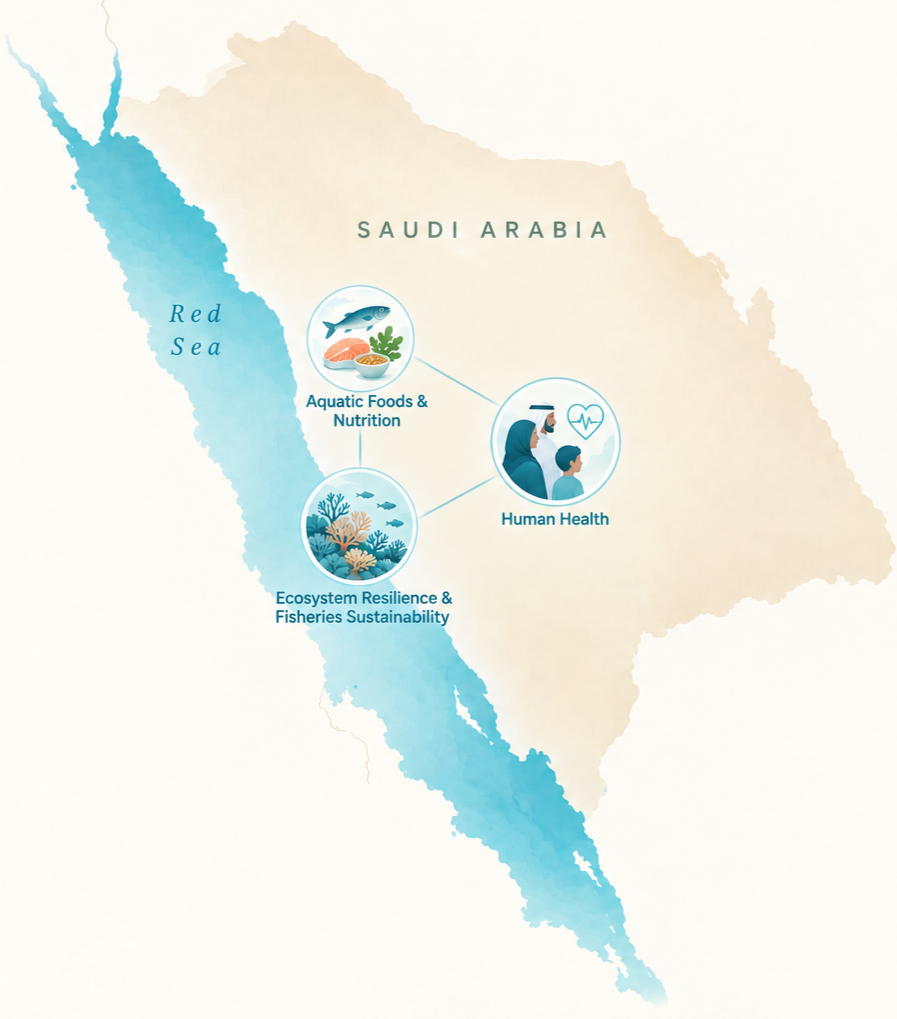
We apply our three research themes to the Kingdom and the Red Sea, combining ecological, nutritional, economic and social perspectives to understand how fisheries and aquatic food systems are changing — and develop innovative solutions that benefit people and ecosystems.

Example projects

Climate-resilient reef fisheries

Modelling current and future species distributions, developing region-specific multispecies assessment tools, and evaluating implications for fisheries sustainability, management and food provisioning under climate change.

Nutrition-sensitive aquatic food management

Developing multidimensional frameworks that integrate nutritional value, affordability, food safety, conservation and climate vulnerability to inform fisheries management.

Nutrition-sensitive aquaculture

Identifying opportunities to improve nutrient supply, dietary quality and environmental sustainability through aquaculture development.

Changing fisheries and livelihoods

Understanding fisheries dynamics, fishing practices and gender dimensions to inform equitable, coordinated Red Sea-wide management.

Automated fisheries monitoring

Developing AI-based tools for species identification, fish-size estimation and improved fisheries data collection.

Understanding seafood consumers

Harnessing online trace data to track consumer interest in aquatic foods and changing patterns of demand.

Reducing nutrient losses and waste

Quantifying nutrient losses across aquatic food supply chains to identify opportunities to improve nutrient retention and food-system efficiency.

Participatory research priorities

Engaging stakeholders to identify regional data gaps and co-define research needs.

Saudi aquatic food composition

Generating nutrient composition data for aquatic foods available in the Kingdom to assess their contributions to dietary requirements.

Red Sea-wide decision support

Integrating ecological, nutritional and socioeconomic evidence into tools that support coordinated, sustainable regional management.

Saudi Arabia aquatic wellbeing infographic